
As a small business owner getting started with social media, one of the most important decisions you’ll need to make is which platform (or platforms) to use.
There are lots of social media platforms out there, but the good news is that you don’t need to be everywhere at once. In fact, the most successful small business social media strategies focus on the right platform, not every platform.
In this guide, we’ll help you figure out the best social media platform for small businesses like yours, with a helpful breakdown of who uses each one, what type of content works best, and where you’ll get the best return on both your time and money.
Overview of Social Media Platforms
Each platform has its own strengths, audience, and best-use scenarios. Here’s a quick breakdown of the most popular ones and how they work for business:
✔️ Still the largest platform, with over 3 billion users1
✔️ Excellent for B2C brands, local marketing, and customer service
✔️ Great for community-building through groups and events
✔️ Highly visual, perfect for food, fashion, beauty, lifestyle, or hospitality
✔️ Stories and Reels boost engagement and brand personality
✔️ Ideal for younger demographics (18–34)
✔️ Best for B2B services, recruitment, and thought leadership
✔️ Use it to network, share insights, and position yourself as an expert
✔️ Great for professional service industries like finance, law, and consulting
X (formerly Twitter)
✔️ Fast-moving platform ideal for news, updates, and quick customer service
✔️ Used heavily in tech, media, and politics
✔️ Requires frequent posting and real-time interaction
YouTube
✔️ Fantastic for tutorials, demos, and long-form content
✔️ A powerful search engine in its own right
✔️ Requires video production effort but has high ROI for the right niches
TikTok
✔️ Huge reach with younger audiences (under 35)
✔️ Best for light-hearted, creative content, and behind-the-scenes access
✔️ Great for viral potential
✔️ Ideal for home décor, fashion, crafts, events, and DIY
✔️ Strong referral traffic for ecommerce sites and blogs
✔️ Best for visual content with a long shelf life
Snapchat
✔️ Worth exploring if your target market is under 25
✔️ Not as business-friendly as other platforms, but useful for brand awareness
✔️ Engagement-focused, short-form formats
Clubhouse, once a buzzy platform for voice-based networking, is no longer considered essential for small businesses. Unless your audience specifically engages in niche audio communities, your time is most likely better spent elsewhere.
Best Platforms for Small Businesses
So, what are the best social media platforms for business users? It depends on your goals, audience, and capacity. But for most small businesses, the starting point is usually one of these:
✅ Facebook: The All-Rounder
If you’re looking for one platform to start with, Facebook is often the best choice. It supports reviews, messaging, events, and more. Whether you’re a plumber, florist, removals firm, or restaurant, Facebook offers broad appeal and easy targeting.
✅ Instagram: The Visual Sales Tool
Got a photogenic product or service? Instagram is a must. Beauty salons, cafes, retail shops, and designers can shine here. Reels and Stories offer brilliant engagement opportunities, with the ability to tag products directly in posts.
✅ LinkedIn: The Professional Network
For B2B companies or solo professionals like accountants, coaches, or consultants, LinkedIn is the best social media platform for small business credibility and networking. Post updates, share insights, and connect with decision-makers.
✅ YouTube: The Explainer Engine
Video is powerful, but also time-consuming. Still, if your business benefits from demonstrations, tutorials, or educational content (like a fitness coach or software trainer), YouTube is worth investing in for its power to deeply engage and connect.
If you’re just starting, a good strategy is to focus on just one or two core platforms where your audience is already active. You can always expand later.
Comparisons
Here’s how the best social media platforms for business stack up against each other based on key factors:
| Platform | Best For | Content | Audience | Pros | Cons |
| Local services, B2C retail | Text, images, video | Broad (25–54) | Groups, reviews, events | Declining organic reach | |
| Visual brands, ecommerce | Images, Reels, Stories | Young (18-34) | High engagement, shopping | Requires consistent visuals | |
| B2B services, professionals | Articles, posts, video | Professionals (25-54) | High trust, great for hiring | Less creative flexibility | |
| X (Twitter) | News, real-time updates | Short text, images | Broad (25-44) | Direct communication | Fast-paced, can be noisy |
| YouTube | Tutorials, content marketing | Long-form video | Broad | Long shelf life, SEO friendly | Production time/cost |
| TikTok | Trendy, viral, behind-the-scenes | Short-form video | Gen Z, Millennials | Huge reach potential | Style may not suit all |
| Lifestyle brands, blog traffic | Images, Pins | Primarily female (25-45) | Great for search & referrals | Narrow content appeal |
Still unsure? Do a quick audit:
- Look at 3–5 competitors. What platforms are they using?
- Which ones have the most followers, engagement, or recent posts?
- Focus your efforts where your audience (and your competition) already are
Top 10 Social Media Platforms for Business (Ranked)
Here’s our up-to-date ranking of the top 10 social media platforms for business, based on usefulness, popularity, and engagement potential for small businesses in 2025:
- Facebook: Versatile, local, and ideal for customer relationships
- Instagram: Visual, shoppable, and high engagement
- LinkedIn: Best for B2B networking and brand positioning
- YouTube: Long-form content that builds trust and search visibility
- TikTok: Viral reach with younger demographic
- Pinterest: Great for niche ecommerce and long-lasting traffic
- X (Twitter): Real-time communication and trend participation
- WhatsApp Business: Direct customer messaging with automation
- Snapchat: Popular with Gen Z, good for brand exposure
- Threads: Emerging but promising for casual conversation
These top 10 social media platforms for business aren’t one-size-fits-all. Be sure to make a smart, informed decision based on where your customers are, how they want to engage, and perhaps most importantly, what you can manage consistently.
Final thoughts
There is no universal ;best social media platform for small businesses’. The best one is the platform that connects you with your audience, suits your content style, and fits your resources.
Start with one or two of the best social media platforms for business, then build from there. Focus on consistent posting, engaging content, and being responsive to your community.
And remember: social media isn’t just about selling. It’s about showing up, sharing value, and building real relationships that help your business grow.
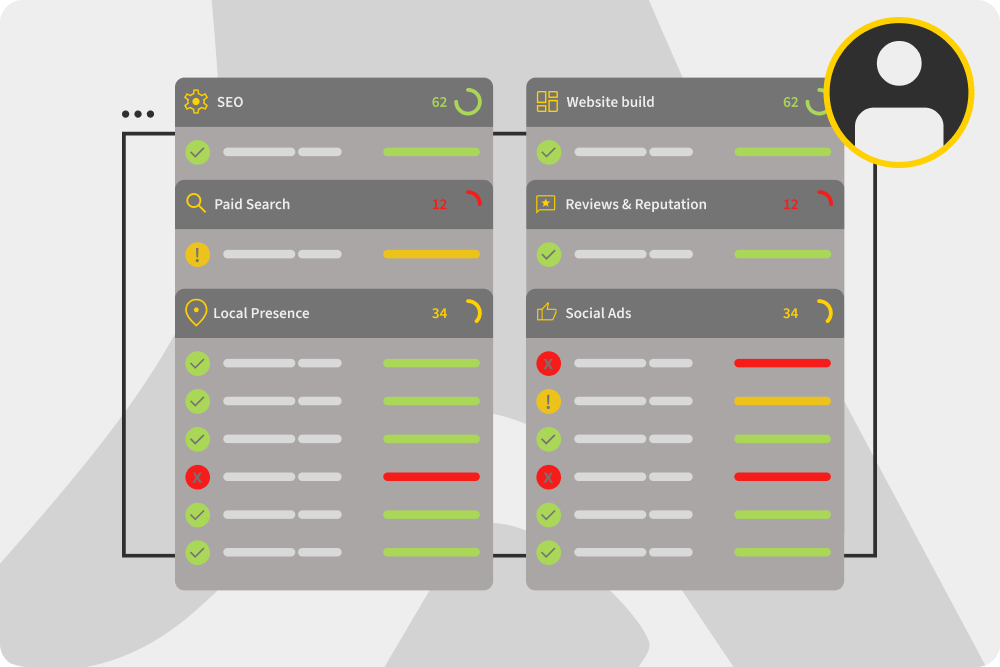
Check how your website is performing
Want to find out how your website is performing? Our free website checker scans your website to check how effective your website is and whether it stands out online. You’ll get your report in less than 60 seconds, along with guidance on how to improve your website and digital presence.
You can also find more tips on Social Media for your business in our free Digital Marketing Guide, available to download now. This simple, practical guide to help you get to grips with the basics and get started with marketing your business online.
- https://www.statista.com/topics/751/facebook/ ↩︎